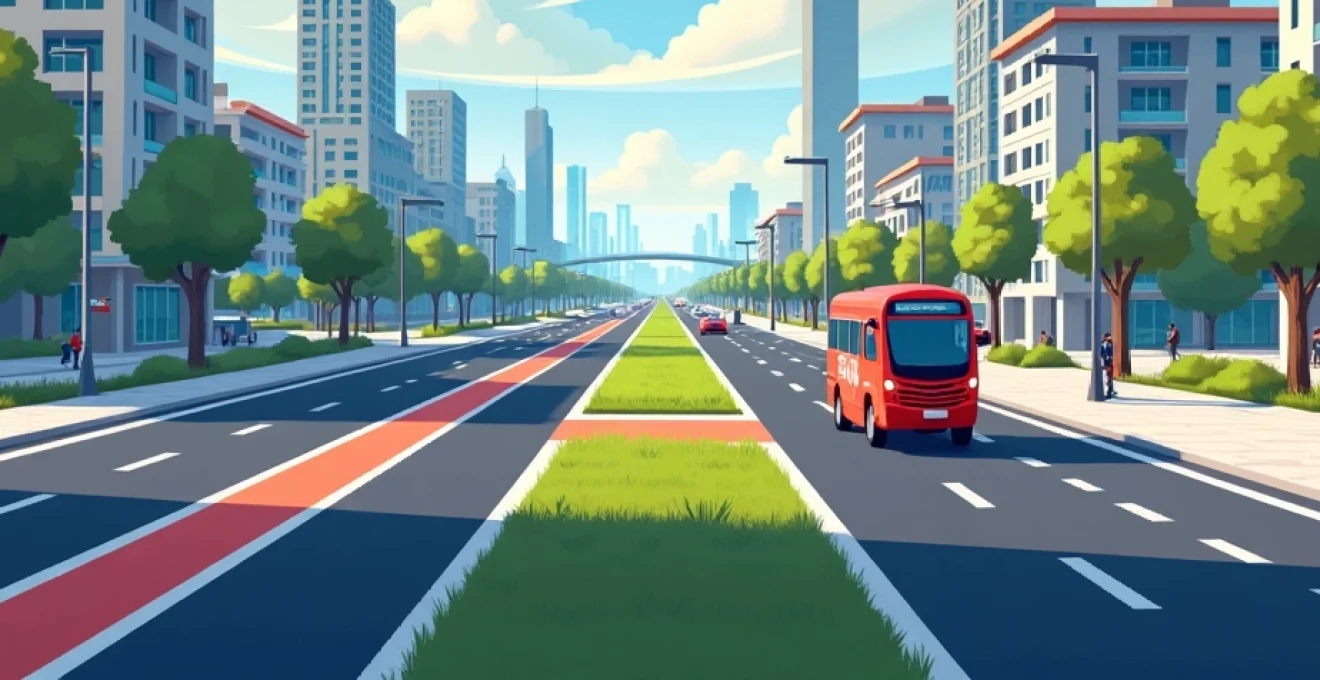
The evolution of transportation infrastructure plays a pivotal role in shaping our cities, economies, and daily lives. As urban populations continue to grow and environmental concerns intensify, the need for efficient, sustainable, and interconnected transportation systems has never been more critical. From bustling metropolises to rural communities, well-designed transportation networks serve as the arteries of modern society, facilitating the movement of people, goods, and ideas across vast distances.
Transportation infrastructure encompasses more than just roads and railways; it’s a complex ecosystem of integrated systems that work in harmony to create seamless mobility solutions. By leveraging cutting-edge technologies and innovative urban planning strategies, cities around the world are reimagining how people move and interact within their environments. This transformation is not only enhancing connectivity but also promoting sustainability, economic growth, and improved quality of life for millions of inhabitants.
Multimodal transportation networks: integrating road, rail, and water systems
The concept of multimodal transportation networks has gained significant traction in recent years as urban planners and policymakers recognize the limitations of single-mode transportation systems. By integrating various modes of transport—such as roads, railways, waterways, and even air travel—cities can create more flexible, efficient, and resilient transportation networks that cater to diverse mobility needs.
One of the key advantages of multimodal systems is their ability to optimize the strengths of each transportation mode while mitigating their weaknesses. For instance, high-speed rail can efficiently move large numbers of people between cities, while local bus networks provide last-mile connectivity within urban areas. Similarly, water-based transportation can offer an alternative to congested road networks in coastal cities, reducing traffic and pollution.
The implementation of multimodal transportation networks requires careful planning and coordination among various stakeholders. This includes the development of intermodal hubs—centralized locations where different modes of transport converge, allowing for seamless transfers between systems. These hubs often feature integrated ticketing systems, real-time information displays, and amenities that enhance the overall travel experience.
To fully realize the potential of multimodal transportation, cities must also invest in smart infrastructure that enables real-time data exchange between different systems. This can include technologies such as IoT sensors , GPS tracking , and AI-powered analytics that help optimize route planning, reduce wait times, and improve overall system efficiency.
Urban planning and Transit-Oriented development (TOD)
As cities grapple with the challenges of rapid urbanization and climate change, urban planners are increasingly turning to Transit-Oriented Development (TOD) as a sustainable solution. TOD is an urban planning approach that focuses on creating compact, walkable communities centered around high-quality public transportation systems. This model not only promotes efficient land use but also reduces dependence on private vehicles, leading to decreased carbon emissions and improved air quality.
High-density corridors: the curitiba BRT model
One of the most successful examples of TOD implementation is the Bus Rapid Transit (BRT) system in Curitiba, Brazil. This innovative approach has transformed the city’s urban landscape by creating high-density corridors along dedicated bus lanes. The Curitiba model demonstrates how strategic urban planning can leverage public transportation to shape city growth and improve quality of life.
Key features of the Curitiba BRT system include:
- Dedicated bus lanes that prioritize public transport over private vehicles
- Elevated boarding platforms for faster passenger entry and exit
- Pre-boarding fare collection to reduce dwell times at stations
- Integration with other modes of transport, including cycling infrastructure
The success of Curitiba’s BRT system has inspired similar projects worldwide, showcasing the potential of TOD to create more livable and sustainable urban environments.
Mixed-use zoning strategies for walkable communities
Another crucial aspect of TOD is the implementation of mixed-use zoning strategies. By integrating residential, commercial, and recreational spaces within close proximity to transit hubs, cities can create walkable communities that reduce the need for long-distance travel. This approach not only enhances accessibility but also fosters a sense of community and improves overall urban vitality.
Effective mixed-use zoning strategies often include:
- Vertical mixed-use developments that combine residential units with ground-floor retail
- Pedestrian-friendly streetscapes with wide sidewalks and ample green spaces
- Incentives for developers to include affordable housing units near transit stations
- Zoning regulations that promote a diverse mix of businesses and services within walking distance
Last-mile connectivity: micromobility and shared services
Addressing the « last-mile » problem is crucial for the success of any transportation infrastructure project. Micromobility solutions, such as bike-sharing programs and electric scooters, have emerged as popular options for bridging the gap between transit stops and final destinations. These services not only enhance the accessibility of public transportation but also provide flexible, eco-friendly alternatives for short trips.
To effectively integrate micromobility into urban transportation networks, cities must consider:
- Creating dedicated lanes and parking spaces for shared mobility devices
- Implementing regulations to ensure safe and responsible use of micromobility services
- Developing data-sharing agreements with service providers to optimize deployment and maintenance
- Integrating micromobility options into existing transit apps and payment systems
Smart growth principles in infrastructure design
Smart growth principles emphasize the importance of compact, efficient urban development that minimizes sprawl and preserves natural resources. When applied to transportation infrastructure design, these principles can lead to more sustainable and livable cities. Smart growth strategies in infrastructure planning often include:
Prioritizing infill development near existing transit corridors to maximize the use of existing infrastructure and reduce the need for new construction. This approach not only conserves resources but also revitalizes underutilized urban areas.
Implementing complete streets policies that accommodate all users, including pedestrians, cyclists, and public transit riders. This holistic approach to street design ensures that transportation infrastructure serves the needs of the entire community, not just motorists.
Encouraging transit-supportive land use patterns that concentrate higher-density development around transit nodes. This strategy helps create a critical mass of ridership to support frequent, high-quality transit service.
Intelligent transportation systems (ITS) and smart infrastructure
The integration of advanced technologies into transportation infrastructure has given rise to Intelligent Transportation Systems (ITS), which leverage data and communication technologies to improve the efficiency, safety, and sustainability of transportation networks. ITS encompasses a wide range of applications, from traffic management systems to connected vehicle technologies. Click Here to learn more about how ITS is transforming the transportation industry.
Vehicle-to-infrastructure (V2I) communication protocols
Vehicle-to-Infrastructure (V2I) communication is a key component of ITS that enables real-time data exchange between vehicles and roadside infrastructure. This technology has the potential to revolutionize traffic management, improve road safety, and enhance the overall driving experience. Some applications of V2I communication include:
- Traffic signal prioritization for emergency vehicles and public transit
- Real-time warnings about road conditions, accidents, or construction zones
- Dynamic speed limit adjustments based on traffic flow and weather conditions
- Automated toll collection and parking management systems
As V2I technology continues to evolve, it will play an increasingly important role in the development of autonomous vehicle systems and smart cities.
Adaptive traffic signal control using AI algorithms
Traditional fixed-time traffic signals are often inefficient in managing variable traffic flows, leading to unnecessary congestion and delays. Adaptive traffic signal control systems powered by artificial intelligence (AI) algorithms offer a more dynamic solution. These systems use real-time data from sensors and cameras to adjust signal timing based on current traffic conditions, optimizing traffic flow across entire networks.
Key benefits of AI-powered adaptive traffic signal control include:
- Reduced travel times and fuel consumption
- Improved air quality due to decreased vehicle idling
- Enhanced pedestrian safety through intelligent crosswalk management
- Increased overall network efficiency, especially during peak hours or special events
Real-time data analytics for congestion management
The proliferation of IoT devices and GPS-enabled smartphones has created vast amounts of data that can be leveraged for real-time congestion management. Advanced analytics platforms use this data to identify traffic patterns, predict bottlenecks, and suggest alternative routes to drivers. This proactive approach to congestion management can significantly reduce travel times and improve the overall efficiency of transportation networks.
Real-time data analytics not only benefits individual drivers but also empowers transportation authorities to make informed decisions about infrastructure investments and traffic management strategies.
Iot sensors in pavement for predictive maintenance
The integration of Internet of Things (IoT) sensors into road infrastructure is revolutionizing the way we approach pavement maintenance. These sensors can monitor various parameters such as temperature, moisture, and stress levels in real-time, allowing for early detection of potential issues. By implementing predictive maintenance strategies based on this data, transportation authorities can:
- Extend the lifespan of road infrastructure
- Reduce maintenance costs through timely interventions
- Minimize traffic disruptions caused by unexpected repairs
- Improve overall road safety by addressing issues before they become hazards
Sustainable and resilient infrastructure design
As climate change poses increasing challenges to transportation infrastructure, designing for sustainability and resilience has become paramount. Sustainable infrastructure not only minimizes environmental impact but also adapts to changing climate conditions, ensuring long-term functionality and reliability.
Green stormwater infrastructure (GSI) integration
Green Stormwater Infrastructure (GSI) is an approach to water management that protects, restores, or mimics the natural water cycle. When integrated into transportation projects, GSI can help mitigate flooding, improve water quality, and enhance the aesthetic appeal of urban environments. Common GSI elements in transportation infrastructure include:
- Permeable pavements that allow water to infiltrate into the ground
- Bioswales and rain gardens along roadways to filter and absorb runoff
- Green roofs on transit stations and parking structures
- Tree trenches that provide both stormwater management and urban greening benefits
Climate-adaptive materials for road construction
The development of climate-adaptive materials is crucial for building resilient transportation infrastructure. These innovative materials are designed to withstand extreme weather conditions and temperature fluctuations, reducing the need for frequent repairs and replacements. Examples of climate-adaptive materials include:
- Self-healing concrete that can repair small cracks autonomously
- Heat-resistant asphalt that prevents rutting and melting during heatwaves
- Porous pavements that improve drainage and reduce the urban heat island effect
- Recycled plastic road materials that offer durability and environmental benefits
Renewable energy integration in transportation systems
Integrating renewable energy sources into transportation infrastructure is a key strategy for reducing carbon emissions and enhancing energy independence. From solar-powered bus shelters to wind turbines along highways, there are numerous opportunities to harness clean energy within transportation systems. Some innovative approaches include:
- Solar roadways that generate electricity while serving as driving surfaces
- Kinetic energy recovery systems in subway stations
- Electric vehicle charging stations powered by renewable sources
- Hydrogen fuel cell technology for public transit vehicles
Cross-border connectivity and international transport corridors
In an increasingly globalized world, the development of efficient cross-border transportation networks is crucial for facilitating international trade and cultural exchange. International transport corridors serve as vital arteries for the movement of goods and people across regions, fostering economic growth and regional integration.
Key considerations in developing cross-border transportation infrastructure include:
- Harmonization of technical standards and regulatory frameworks
- Implementation of seamless border-crossing procedures
- Development of multimodal logistics hubs at strategic border locations
- Investment in digital infrastructure to support cross-border data exchange
Successful examples of international transport corridors include the Trans-European Transport Network (TEN-T) in Europe and the Belt and Road Initiative spanning Asia, Europe, and Africa. These ambitious projects demonstrate the potential of coordinated infrastructure development to reshape global trade patterns and regional connectivity.
Economic impact assessment of transportation infrastructure projects
Assessing the economic impact of transportation infrastructure projects is essential for justifying investments and ensuring that resources are allocated effectively. Comprehensive economic impact assessments consider both direct and indirect benefits, including:
- Job creation during construction and operation phases
- Increased property values in areas with improved accessibility
- Enhanced productivity through reduced travel times and improved logistics
- Stimulation of economic activity in previously underserved areas
Advanced economic modeling techniques, such as input-output analysis and computable general equilibrium models , can provide detailed insights into the ripple effects of infrastructure investments across various sectors of the economy. These tools help policymakers and investors make informed decisions about large-scale transportation projects.
Well-designed transportation infrastructure not only facilitates movement but also serves as a catalyst for economic growth, social inclusion, and environmental sustainability.
As cities and regions continue to evolve, the role of transportation infrastructure in shaping our communities and economies will only grow in importance. By embracing innovative technologies, sustainable design principles, and holistic planning approaches, we can create transportation systems that not only meet the needs of today but also adapt to the challenges of tomorrow. The future of mobility lies in interconnected, intelligent, and inclusive infrastructure that empowers communities and drives progress on a global scale.